

Om oss
Institutionens verksamhet omfattar fyra huvudområden: filmvetenskap, journalistik, medie- och kommunikationsvetenskap samt modevetenskap.
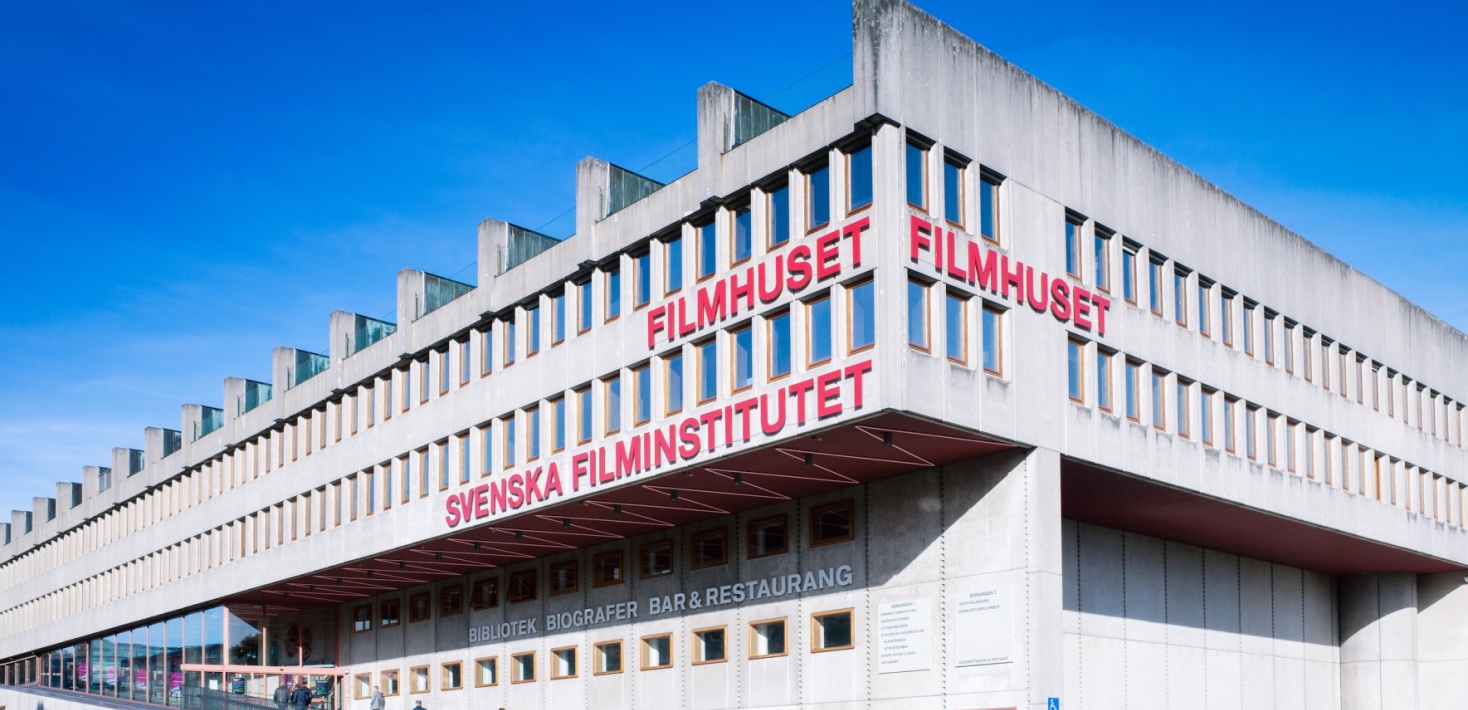
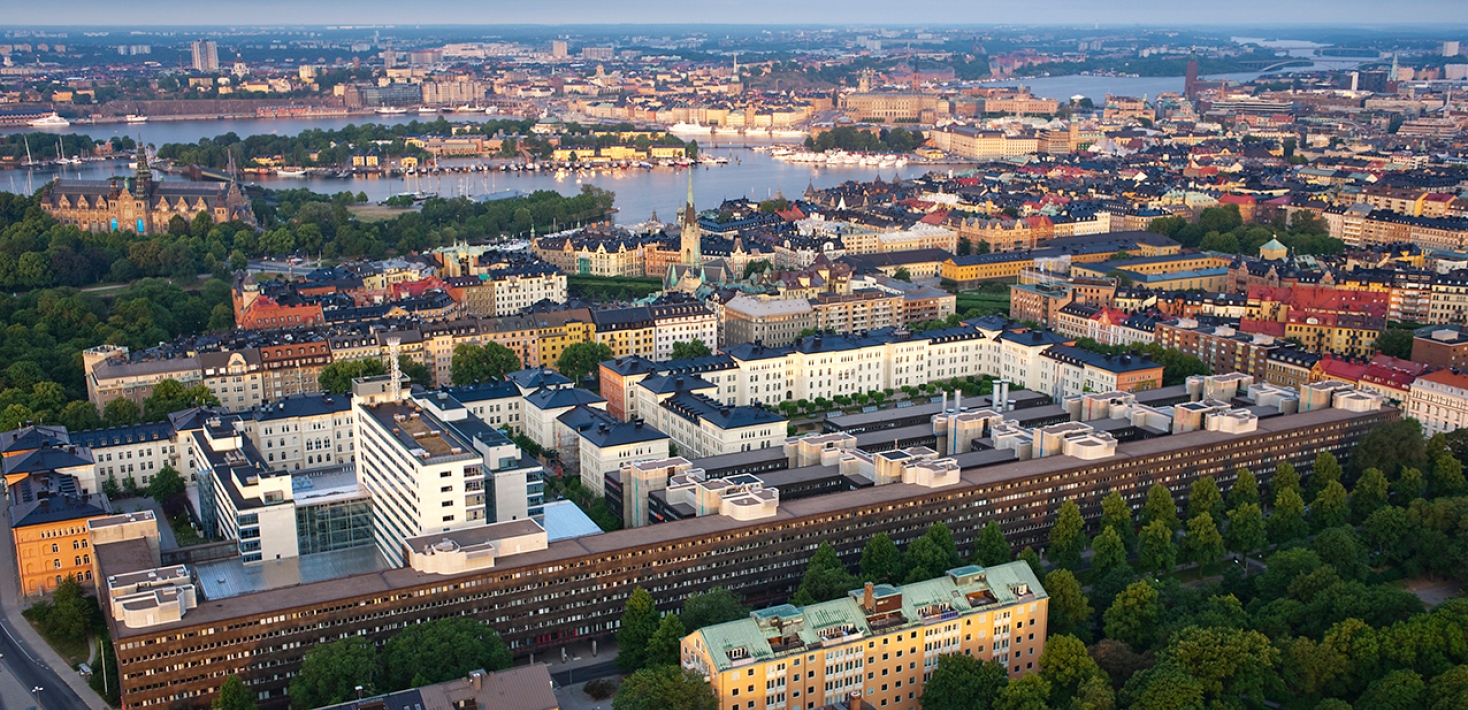
INSTITUTIONEN I SIFFROR (2021)
- 78 anställda
- 18 professorer
- 853 helårsstudenter
Mer om oss
Samtliga huvudområden erbjuder utbildningar upp till forskarnivå där journalistik och medie- och kommunikationsvetenskap har en gemensam forskarutbildning.
IMS är en forskningsintensiv institution med ett flertal externt finansierade forskningsprojekt av bland annat Vetenskapsrådet och Riksbankens Jubileumsfond. Humanistiska fakulteten har utsett två ledande forskningsområden vid IMS: Filmvetenskap samt Global Media Studies and The Politics of Mediated Communication (JMK).
Institutionen arbetar med en aktiv miljöpolicy och har infört egna reserekommendationer.
Institutionens fakturaadress hittar du längre ned på denna sida under rubriken Kontakt. Mer information om ekonomifrågor hittar du på vår egna medarbetarsida Internt.
Om Enheten för journalistik, medier och kommunikation (JMK)
Enheten för journalistik, medier och kommunikation, JMK, Stockholms universitet, ger grundutbildning, masterutbildning och forskarutbildning i ämnena journalistik respektive medie- och kommunikationsvetenskap.

Om Enheten för journalistik, medier och kommunikation (JMK)
Våra utbildningar
Forskning i medie- och kommunikationsvetenskap
Medie- och kommunikationsvetenskap är ett ämne som fokuserar på tidens mest brännande frågor i skärningspunkten mellan kommunikation, teknologi, politik och kultur. Här utforskas på olika sätt den medierade kommunikationens innehåll och förutsättningar, samt dess olika roller i samhälls- och vardagslivet.
Forskning i medie- och kommunikationsvetenskap
Forskning i journalistik
Journalistik är ett tvärvetenskapligt forskningsfält med en lång historia vid Stockholms universitet. Ämnet inrättades 1990 när dåvarande Journalisthögskolan slogs samman med Centrum för masskommunikationsforskning och bildade en ny institution: JMK.

Om Enheten för filmvetenskap
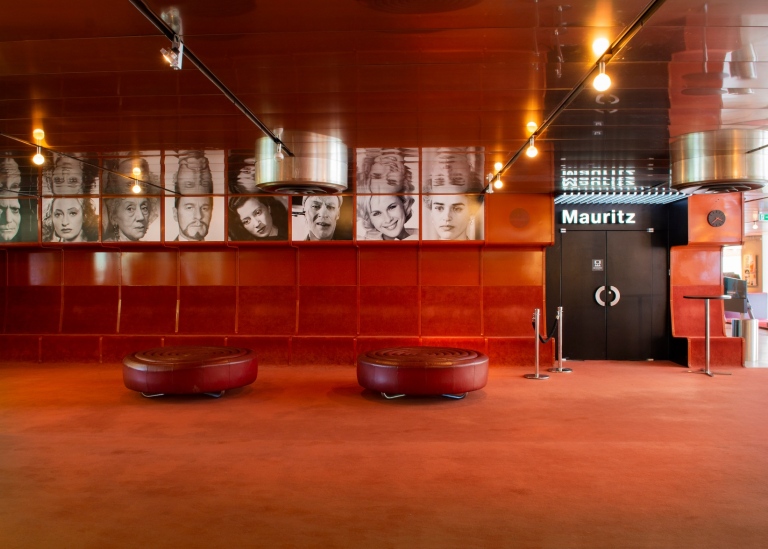
Rörliga bildmedier – film, television och digitala bilder – spelar en ständigt ökande roll i en alltmer globaliserad värld. Filmvetenskap studerar de rörliga bildmediernas historia, teori, estetik och funktioner från tidig film till dagens multimediala landskap. Vi är en av Europas största enheter inom filmvetenskap och ett av de ledande forskningsområdena inom humaniora vid Stockholms universitet.
Om Filmvetenskapen
Våra utbildningar
Här visas våra filmer (360°)
Filmvetenskaplig forskning och profil
Forskningen vid Filmvetenskapen har av externa utvärderare utsetts till nationellt ledande och internationellt framstående.

Filmvetenskap är samlingsbeteckning för studiet av rörliga bilder och bildkulturer från tiden före filmens genombrott till den samtida mediemiljöns skärmar, tekniker och plattformar. Ämnesfokus gäller därmed i betydande utsträckning mediala brytpunkter i ett brett teoretiskt, historiskt och nutida perspektiv: på vårt fält befinner sig både forskningsobjekt och de metoder med vilka de undersöks i konstant förändring.
Forskning i filmvetenskap
Om Enheten för modevetenskap
Modevetenskapen undersöker modets historia, dess sociala och ekonomiska funktioner samt dess roll i utvecklingen av den globala produktionen och konsumtionen av kläder.

Om Enheten för modevetenskap
Våra utbildningar
Så jobbar vi med miljö- och hållbarhetsfrågor
Stockholms universitet har förbundit sig att vara koldioxidneutralt 2040
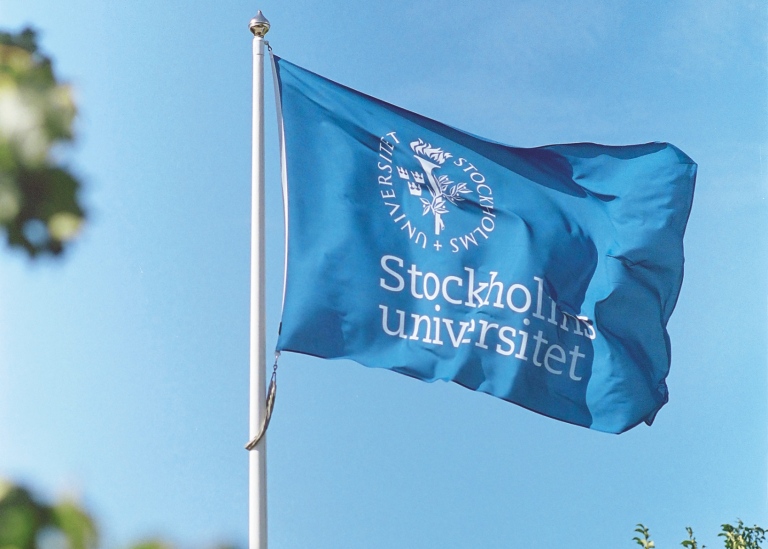
"I juni 2019 signerade Stockholms universitet, som första svenska lärosäte, FN:s avtal om globala hållbarhetsmål för högre utbildning (Climate Emergency Letter), vilket innebär att Stockholms universitet har förbundit sig att:
- Vara koldioxidneutralt 2040,
- Mobilisera fler resurser för handlingsorienterad klimatforskning och kompetensskapande,
- Utveckla miljö-och hållbarhetsutbildningar över disciplinära gränser".
Universitetets reviderade klimatfärdplan 2020–2040
Miljöwebben: Miljöarbete vid Stockholms universitet
Stockholms universitets Hållbarhetsforum
Institutionens rekommenderade resepolicy
Universitetets policy för möten och resor
Institutionens miljöhandlingsplan
Forskare uppmanar universiteten att börja klimatomställningen
PUBLICERAD: 29 oktober 2018
Sveriges universitet och högskolor bör i ett första steg halvera sin egna utsläpp av växthusgaser inom de närmaste fem åren. Det skriver professor Anja Hirdman tillsammans med 17 andra forskare på DN Debatt där de uppmanar lärosätena att ta täten i klimatomställningen.
Forskare uppmanar universiteten att börja klimatomställningen
Forskare: "Klimatstrejken är en viktig rörelse"
PUBLICERAD: 19 mars 2019
– Det är ju en strejk som handlar om att ta ansvar för klimatet och för framtiden, säger Anna Roosvall som deltog i fredagens skolstrejk för klimatet vid Sergels torg tillsammans med Anja Hirdman, båda forskare vid Institutionen för mediestudier, IMS. Skolstrejken för klimatet anordnades samma dag i Stockholm, i flera svenska städer och i mer än 2000 städer i över hundra länder.
Kontakt
På vår kontaktsida hittar du allmän kontaktinformation och kontaktuppgifter till bland annat institutionens ledning, presskontakter, studentexpeditioner och studierektorer.

- Fakturaadress
Stockholms universitet
C8201
190 87 Rosersberg
-----------------------------------------------
OBS! I fakturan måste du alltid ange referens 120 (vårt specifika institutionsnummer). Skriv så här till exempel: "ref. 120 - förnamn, efternamn".
Senast uppdaterad: 14 mars 2024
Sidansvarig: Institutionsnamn